
The Man Behind the Mulligan
DAVID B.MULLIGAN
Hotelier. Executive. Sportsman. Civic Leader.
David B. Mulligan was not simply a prominent hotel executive of his generation. He became one of the best-known figures in the North American hospitality industry, ultimately earning recognition as the “Dean of the North American Hospitality Industry.”
His career connected Montreal, New York and Westchester with some of the most important hotels, institutions and business leaders of the early twentieth century. From the Windsor Hotel in Montreal to the Waldorf-Astoria and the Grand Central Corporation’s influential hotel interests in Manhattan, Mulligan rose to the highest levels of the profession.
His life and influence extended far beyond golf.
He was a hotelier, corporate executive, civic leader, private-club director and respected figure in the social and business world of New York — a man whose name was already widely known decades before “mulligan” became one of golf’s most recognizable expressions.
DISCOVER HIS LIFE
Dean of the North American Hospitality Industry
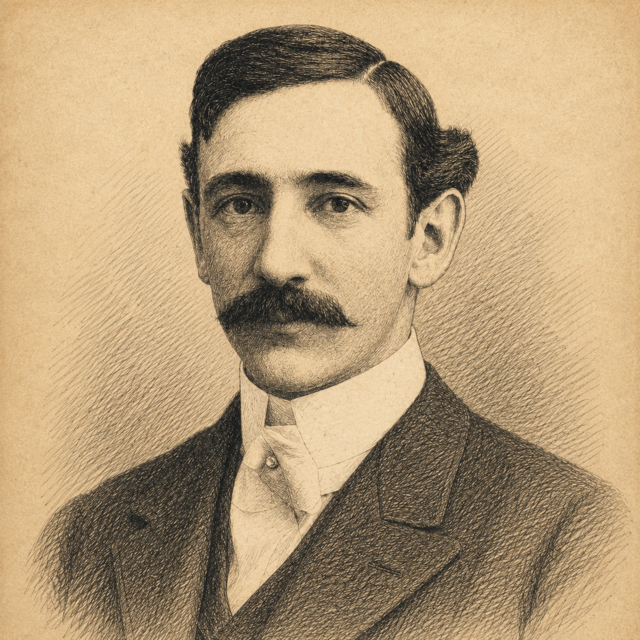
Long before the name “Mulligan” became part of golf culture around the world, David B. Mulligan was one of the most recognized and respected figures in the North American hotel industry.
His stature within the hospitality profession was such that he became known as the “Dean of the North American Hospitality Industry.” The Hotel Reporter Magazine captured his prominence with the extraordinary observation:
“There is no one more well known in the North American hotel business as David B. Mulligan.”
Mulligan’s career ultimately placed him at the centre of one of the most important hotel and real-estate organizations in New York City: the Grand Central Corporation.
The Grand Central interests controlled approximately 23 acres of extraordinarily valuable Manhattan real estate surrounding Grand Central Terminal and extending through some of Midtown Manhattan’s most prestigious locations. Their broader property interests were associated with many of the landmarks that helped define New York’s hotel and social landscape, including Grand Central Terminal, the Yale Club of New York City, the Waldorf-Astoria, The Biltmore, The Commodore, The Roosevelt, The Belmont, The Sherry-Netherland and The Pierre, among other significant properties and developments connected to the Grand Central district.
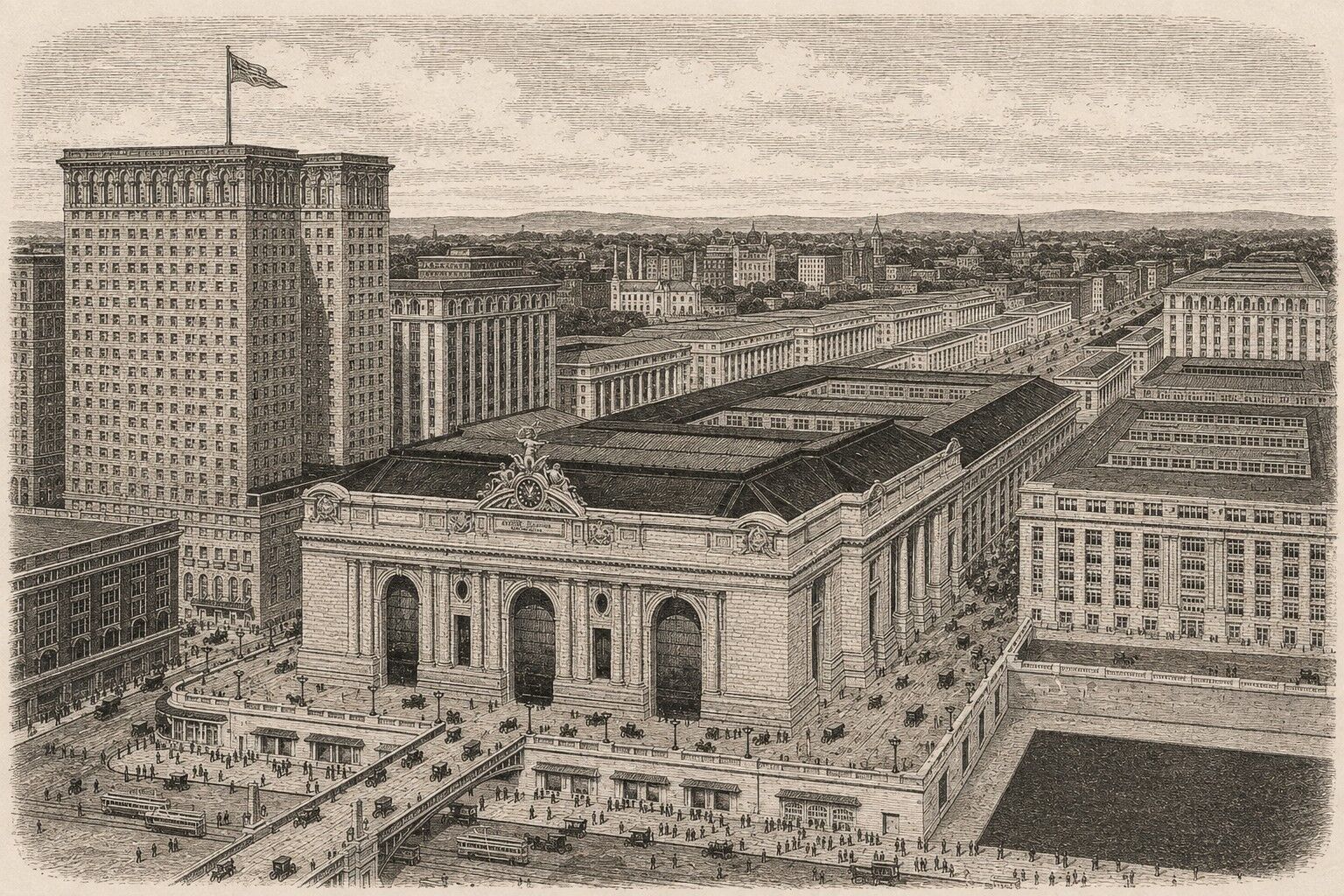
To oversee its hotel operations, the Grand Central organization turned to David B. Mulligan.
Mulligan was appointed President of Realty Hotels, Inc., the hotel-management subsidiary responsible for operating and supervising the corporation’s distinguished collection of New York hotels.
Under Mulligan’s executive leadership, the Realty Hotels portfolio included some of Manhattan’s best-known hotels, among them:
- The Biltmore Hotel
- The Commodore Hotel
- The Roosevelt Hotel
- The Belmont Hotel
- The Murray Hill Hotel
- The Barclay Hotel
- and other hotel properties within the Grand Central and Realty Hotels organization.
Mulligan also had a particularly important association with the Waldorf-Astoria, where he served in senior management during one of the most important periods in the history of American hospitality.
His responsibilities placed him within an extraordinary network of New York institutions, hotel executives, financiers, civic leaders and prominent families. The hotels under his leadership were not simply places for visitors to stay. They were among the principal meeting places of American business, politics, society and international travel.
During this period, Mulligan became a leading voice within the hotel profession. His influence extended well beyond the properties he managed. He served in senior industry and civic positions, including leadership within the Hotel Association of New York City and the American Hotel Association, while also becoming involved with important New York institutions and organizations.
By the height of his career, David B. Mulligan had become far more than a hotel manager.
He was one of the executives helping shape the standards, reputation and evolution of the modern North American hospitality industry — a career that earned him the enduring description:
The Dean of the North American Hospitality Industry.
